
Escaping home dispute, Delhi teen falls victim to trafficking and forced marriage in UP; fake identity used, several arrested
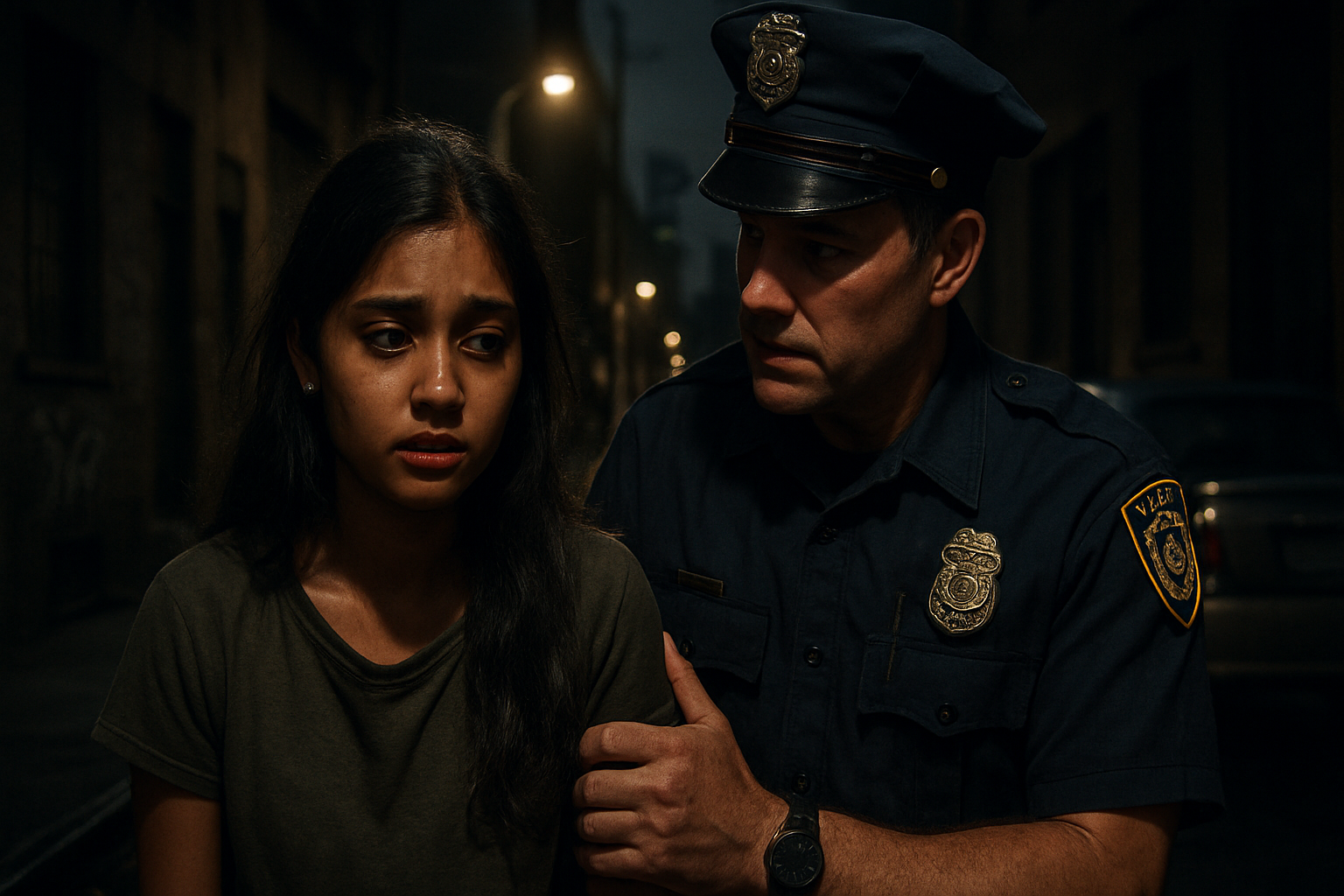
In a chilling reminder of the dangers lurking for runaway children, a 13-year-old girl from Bharat Nagar in north-west Delhi was recently rescued after enduring a month-long nightmare at the hands of human traffickers who lured, manipulated, and illegally married her off to a much older man in Uttar Pradesh.
It all began with a family argument—an ordinary childhood spat between the girl and her father. Seeking solace or perhaps driven by fear and frustration, she slipped away from home, catching a bus and boarding a train headed toward Meerut. Alone and vulnerable at the railway station, she was approached by a young man in his twenties, promising help. Instead, she had stumbled into the net of seasoned traffickers.
According to Delhi Police, the girl was taken to Shamli in UP by the youth and his older associate. There, she was introduced to a 40-year-old man, and in exchange for a sum allegedly between Rs 15,000 and 20,000, she was forced into marriage. To complete the illegal transaction, the traffickers had a fake Aadhaar identity created showing her as a 19-year-old, ensuring that officials would overlook her obvious status as a minor.
Four days after the “marriage”, the girl was sexually assaulted—another grim violation amidst the series of crimes committed against her. Meanwhile, back in Delhi, her family was frantic. They reported her missing on July 22 and, despite relentless searching and appeals to police, initially had no leads. The rescue effort took a dramatic turn when a single missed call appeared on her grandmother’s phone, sparking new hope.
Investigators began tracking every possible number, following a false lead to Mathura before eventually identifying the correct number and tracing it to Shamli. A swift raid by Bharat Nagar police, working in tandem with local UP authorities, found the girl at a house—physically shaken but alive. Medical examination and psychological support were provided while arrests began.
The three central players—a 20-year-old from Hapur, his 55-year-old accomplice from Meerut, and the 40-year-old “bridegroom”—have been booked under multiple sections, including kidnapping, human trafficking, sexual offences against minors, and child marriage. The charges span the Bharatiya Nyaya Sanhita (BNS), Protection of Children from Sexual Offences (POCSO) Act, and the Prohibition of Child Marriage Act. Police are now probing whether this gang might have a broader network or links to similar crimes, raising fears that there are more victims awaiting justice.
This case has once again focused national attention on the vulnerabilities of runaway or unaccompanied children, the perils of trafficking circuits between Delhi and UP, and the easily-exploited loopholes in document verification. Activists note that the use of forged identification—like fake Aadhaar cards—to bypass child protection systems is a growing threat that requires urgent policy and enforcement reform.
Delhi Police officials have reiterated their commitment to pursuing all leads, with DCP (northwest) Bhisham Singh confirming the investigation’s expansion and urging citizens to come forward with information on other suspected cases.
Public outrage over the incident is building, with politicians, rights groups, and ordinary citizens calling for stricter punishments, better inter-state coordination, and comprehensive support for survivors of trafficking and forced child marriage.
Meanwhile, the rescued girl is safe and receiving the care she needs, but her ordeal is a stark warning: family disputes, when coupled with systemic gaps in child safety, can lead to irreversible trauma. The authorities hope that through swift justice and policy reform, such tragedies can be prevented—a hope that now rests as much with society as with the law.